



Falling down stairs can lead to severe injuries from falling down stairs such as broken bones, soft tissue injuries, and traumatic brain injuries. Recognizing these injuries early is vital for effective treatment. In this article, we explore the most frequent stair related injuries, suggest immediate steps to take, and offer tips to prevent these accidents. We will then discuss how to ensure you get the right emergency medicine to get healthy and document your injuries for any possible personal injury case you may have.
Key Takeaways
- Immediate assessment and caution are vital after stairs injuries to prevent worsening injuries especially neck injuries.
- Common injuries from stair falls include broken bones, soft tissue injuries, head trauma, knee injuries and traumatic brain injuries, with older adults at greater risk.
- Preventative measures such as installing handrails, ensuring proper lighting, and keeping stairs clear of clutter can significantly reduce the risk of accidents.
Immediate Steps After a Stair Fall
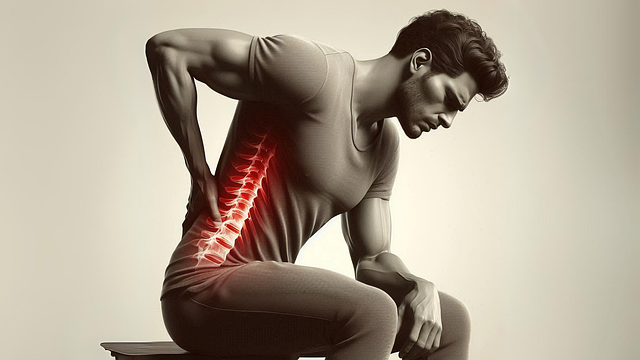
Should you experience a stair fall accident, it is imperative to remain composed. Begin by evaluating your physical state since initial shock may conceal any pain or injuries that are not immediately noticeable. Pause for a moment to take stock of any discomfort or pain.
In the event that moving proves difficult or if there’s notable pain, seek out help immediately. While waiting for assistance, keep yourself warm in order to stave off going into shock. Conversely, if you’re uninjured and can move freely, carefully get back on your feet with the aid of sturdy furnishings around you. This will help prevent additional harm from abrupt motions.
When rising immediately isn’t possible, aim to gently exercise your limbs slightly in an effort both to alleviate stiffness and retain body heat — doing so will also assist in recognizing any delayed symptoms of injury that may surface.
It’s always wise to err towards caution following such incidents. Even absent immediate signs of distress post-fall could merit medical attention as some internal damage might exist undetected which could aggravate with time.
Most Common Injuries from Falling Down Stairs

Tumbling down a staircase can result in several types of harm, with broken bones, soft tissue damage, and traumatic brain injuries being among the more prevalent outcomes. Recognizing these potential impacts is crucial for effective treatment and prevention as each can considerably affect your overall health and quality of life.
Broken Bones
Falling down stairs often leads to various common injuries suffered, with broken bones being among the most frequent. These incidents can cause fractures in different body parts, including legs, arms, and wrists. It is quite typical for individuals to fracture their wrists as they tend to extend their hands instinctively when attempting to cushion a fall. Accidents like these commonly result in ankle, hip, and wrist breaks.
How you tumble and the manner of your landing significantly affect which bones get fractured and the seriousness of those breaks. Older adults are at a heightened risk for such fractures due to osteoporosis or reduced bone density that renders their skeleton more fragile and susceptible to injury from even slight missteps leading to substantial harm.
Dealing with broken bones usually requires immobilization or potentially surgical intervention based on how serious the break is. The path to recovery may involve extensive discomfort over an extended period of time, which highlights why it’s crucial both preventive measures against falls should be taken wherever possible while ensuring swift medical attention after any incident occurs.
Soft Tissue Injuries

Injuries to soft tissues, encompassing sprains, strains and tears of ligaments, are frequent outcomes when one has an accident on the stairs. These types of injuries affect various components like muscles, tendons, ligaments, nerves and even skin and can lead to considerable pain as well as hamper one’s ability to function.
Falls involving twisting movements can precipitate serious knee issues including damage to ACL or MCL ligaments. The recovery period for these kinds of injuries tends to be lengthy because the blood supply that aids in healing is minimal in ligamentous areas. Such sprains and strains may impede mobility extensively while causing notable discomfort which interferes with routine tasks.
Trying to catch oneself during a fall might result in sprains or strains affecting the arms or wrists. Early recognition of these conditions followed by seeking proper care such as physical therapy is vital for restoring normal functioning and alleviating the pain associated with the injury.
Traumatic Brain Injuries
Falling down stairs can lead to traumatic brain injuries (TBIs), which are considered severe. Head and neck regions account for more than 20% of injuries sustained from stair falls, with concussions, skull fractures, and cuts on the face being typical examples.
Should a person endure a sharp blow or violent shake to the head due to such an incident, they may suffer from a brain injury or head injury, evidenced by signs including headaches, confusion, sickness, and fatigue. It is essential for anyone displaying these symptoms after a fall to promptly seek medical attention in order to avoid enduring damage that could persist over time.
Less Common but Serious Injuries
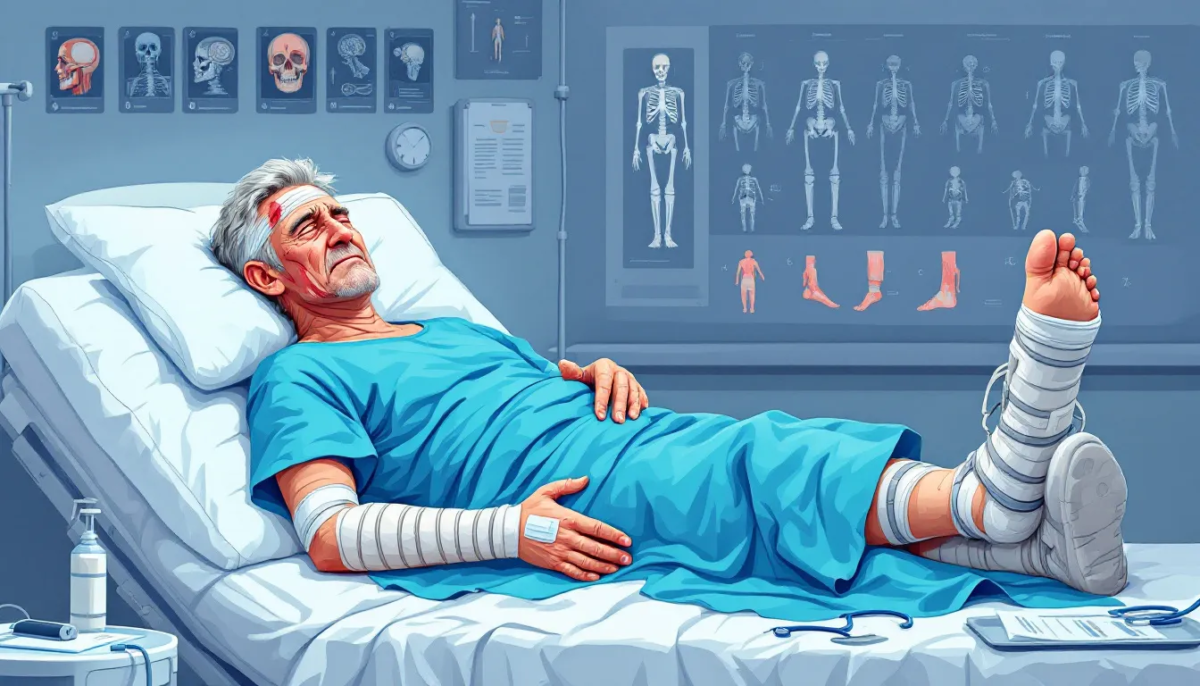
Falls down stairs, while not as frequent, can lead to particularly grave spinal injuries. Such incidents may result in problems ranging from bulging discs and herniation to catastrophic damage of the spinal cord itself. The risk of sustaining these types of injuries is heightened for individuals aged 65 and above due to diminished bone density and a greater susceptibility to injury.
Damage sustained during stair falls can cause damage to nerves that might be irreversible. These kinds of spine-related traumas have been known to induce chronic pain along with a reduction in mobility, which can profoundly deteriorate an individual’s quality of life. Excessive stretching or direct trauma inflicted on the spine when falling has the potential for severe consequences including extensive nerve impairment.
Suffering nerve damage following a tumble down stairs could permanently alter sensory and motor capabilities. In light of such risks leading to lasting harm, it is critical that one seeks immediate medical care if there’s any indication or suspicion of having incurred an injury involving the spinal cord.
Causes of Stairway Falls

A variety of preventable issues can lead to stairway falls. One major factor contributing to these accidents is inadequate lighting, which may hide steps and present tripping hazards. Ensuring that stairs are well-lit can greatly diminish the likelihood of mishaps.
Another prevalent cause of stair-related accidents includes compromised or irregular stair treads. These flaws often result in unforeseen trip points that can lead to injuries. It’s crucial for property owners to routinely check for potential dangers like loose carpets or worn out steps in order to keep their stairs safe.
Obstacles left on the stairs, such as footwear or cleaning equipment, might prompt individuals to stumble and fall over them. Property owners carry the responsibility of keeping their staircases clear from clutter and properly maintained so as not only mitigate but actively prevent any related incidents.
Prevention Tips for Avoiding Stair Falls

To avoid falling down stairs, it’s essential to apply practical wisdom alongside the implementation of stair safety equipment. Fundamental precautions encompass utilizing handrails, fitting non-slip surfaces on steps, and ensuring that nothing is blocking the stairs.
By taking these measures, one can considerably diminish the likelihood of experiencing a tumble down the staircase and incurring related harm.
Use Handrails
Handrails play a pivotal role in ensuring stability and support when using staircases. The lack of handrails notably increases the chances of mishaps, given their importance for maintaining equilibrium. For improved safety measures, it is advisable to fit handrails along both sides of stairways.
The implementation of handrails can be instrumental in averting numerous incidents involving stair falls, particularly among elderly individuals and those experiencing mobility challenges. Handrails provide a reliable method for individuals to stabilize themselves, thereby diminishing the risk of falling.
Install Non-Slip Treads
To mitigate the risk of falls, it’s beneficial to install non-slip treads which improve traction on stair surfaces and substantially lower the chances of slipping. It’s crucial to apply these treads not only on steps but also on landings for comprehensive protection.
For optimal results in preventing slips, using high-traction materials such as rubber or aluminum for these non-slip treads is advised. Incorporating this straightforward modification can significantly enhance safety when navigating stairs.
Keep Stairs Clear

Ensuring that stairs remain uncluttered is a simple, yet crucial step in preventing tripping incidents. Items such as shoes, toys, and various objects can pose significant risks by creating obstacles.
Maintaining clear and properly cared for stairs is fundamental in minimizing the dangers of falls.
When to Seek Medical Attention
Understanding the necessity of pursuing medical attention following a fall is essential. Symptoms warranting immediate attention include unconsciousness, intense headaches, or recurrent vomiting. Steady discomfort in the neck or spine, discernible alterations in sight, or incapacity to support weight on an extremity signal grave harm that necessitates swift assessment.
Evidence of internal trauma like distension or discoloration around the abdomen calls for emergency room visits. It’s crucial to stick firmly to a doctor’s prescribed regimen—potentially comprising repose, pharmaceutical treatment, or operative procedures—for proper healing. Prompt action can thwart Complications and enhance recovery prospects.
Legal Considerations After a Stair Fall
In the event of a stair fall, it’s essential to comprehend your legal entitlements, especially when negligence is involved as you face mounting medical bills and minor injuries or severe injuries. Owners of properties have an obligation to keep their public access stairways in safe condition. The onus for safety within apartment complexes falls upon either property owners or the entities managing them.
Those who suffer injuries from stair falls can explore various legal avenues, such as filing personal injury lawsuits and claims for negligence. To establish responsibility in these cases, one must demonstrate that the proprietor had knowledge of potential risks but failed to address them appropriately. Personal injury attorneys are skilled at aiding clients in collecting necessary proof and brokering settlements concerning incidents involving stair falls.
Financial recompense available for individuals affected by negligent-caused stair accidents may include coverage for medical expenses incurred due to their injuries, compensation for earnings they were unable to generate while recuperating, and reparation for endured pain and discomfort. Consulting with expert personal injury lawyers will assist you in grasping your rights along with what steps you should take next following a staircase tumble attributable to carelessness.
Recovery Process and Rehabilitation
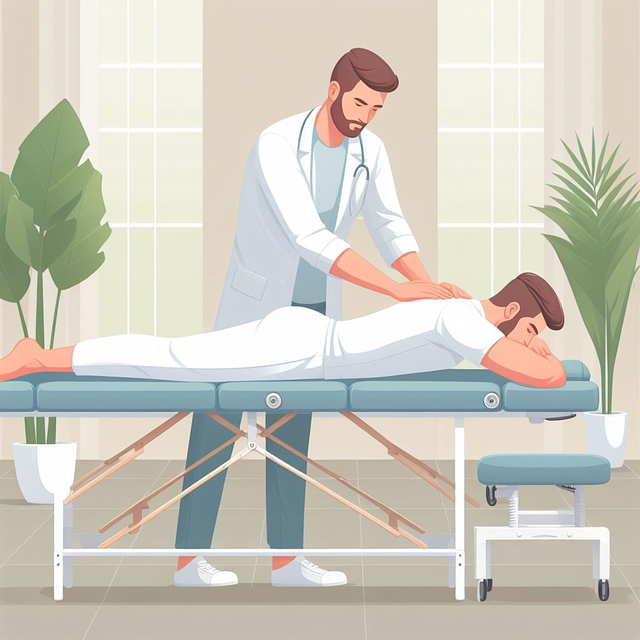
Recovering from a tumble down the stairs can be an arduous and prolonged process. To address conditions such as damage to the spinal cord, extended rehabilitation often necessitates physical therapy. A variety of other therapeutic methods like massage and chiropractic care might also contribute positively to the healing journey.
The ramifications of injuries sustained in falls may include enduring disabilities and an impact on one’s capacity for employment. It is essential to commit fully to a well-rounded treatment strategy that encompasses adequate rest, appropriate medication, and possibly surgical interventions for optimal recuperation from serious injuries.
It’s equally critical to consider the psychological components of recovery—issues including anxiety or post-traumatic stress disorder (PTSD) that could emerge following a fall must not be overlooked.
Summary
To sum up, descending stairs can result in various forms of harm, spanning from slight contusions to grave damage. Recognizing the appropriate actions to take immediately following a tumble, being aware of both typical and serious injuries associated with stair falls, as well as implementing preventative strategies are all vital components for making a significant impact. Taking into account legal aspects alongside devising a strategic recuperation plan is essential for efficient handling and recovery. Remain vigilant, educate yourself adequately, and actively engage in measures that thwart incidents on stairs.
Frequently Asked Questions
What should I do immediately after falling down stairs?
Immediately after falling down the stairs, stay calm and assess your condition.
If necessary, call for assistance and keep your body warm while you wait for help.
What are the most common injuries from falling down stairs?
Tumbling down steps often leads to fractures, damage to muscles and ligaments, as well as injuries to the brain.
Taking proactive steps is essential in reducing the likelihood of such injuries.
How can I prevent stair falls?
To prevent stair falls, ensure you use sturdy handrails, install non-slip treads, and keep the area free of obstacles.
These simple measures significantly reduce the risk of accidents.
When should I seek medical attention after a stair fall?
You should seek medical attention after a stair fall if you experience loss of consciousness, a severe headache, repeated vomiting, or ongoing pain in the neck or back.
Prompt evaluation is crucial for your safety and health.
What are my legal options if I fall down stairs due to negligence?
You can file a personal injury claim for compensation, which may cover medical expenses, lost wages, and pain and suffering due to negligence.
It’s essential to gather evidence and consult a legal professional to strengthen your case.