


Searching for an Attleboro MA personal injury lawyer? You’re in the right place. Hiring a local lawyer can maximize your compensation and make the claims process smoother. This article will guide you on why choosing a MA personal injury attorney is crucial and what to expect.
Key Takeaways
- Hiring a local Attleboro personal injury lawyer enhances the chances of a successful claim due to their knowledge of Massachusetts laws and local court dynamics.
- Common severe physical injury cases handled by Attleboro lawyers include car accidents, workplace injuries, and premises liability, with a focus on obtaining fair compensation for victims.
- Understanding the insurance claim process and the importance of timely filing, as well as the types of damages, is crucial for maximizing compensation in Massachusetts.
Why Hire an Attleboro Personal Injury Lawyer?

Engaging the services of a personal injury attorney in Attleboro can be crucial for your ability to recover compensation. Attleboro MA personal injury attorneys have comprehensive knowledge of Massachusetts’s specific personal injury regulations and workers compensation benefits, which are instrumental in adeptly steering through the complexities of legal processes. Their familiarity with the nuances of local courts and existing connections with judiciary members and insurance firms often lead to more streamlined negotiation procedures and improved settlement outcomes. An accomplished personal injury lawyer from Attleboro will offer essential guidance during this challenging period.
The outstanding reputation that this law firm enjoys reflects its impressive 99% success rate, sustained primarily by word-of-mouth recommendations rather than relying on standard advertising methods. With over forty years dedicated to representing clients effectively, they are committed to procuring advantageous results for those they represent. The firm provides complimentary consultations—available both face-to-face and telephonically—and operates under a contingency fee arrangement. Clients only incur charges upon securing a positive case verdict or settlement, aligning your attorney’s financial incentives directly with achieving peak compensation for you.
Representation by an Attleboro personal injury attorney who is well-acquainted with local matters grants invaluable insight into community-specific factors influencing your case’s management and outcome. Opting for an Attleboro-based personal injury lawyer thus becomes not just about making any choice but implementing one strategically poised towards winning rightful recompense on your behalf.
Common Types of Personal Injury Cases in Attleboro
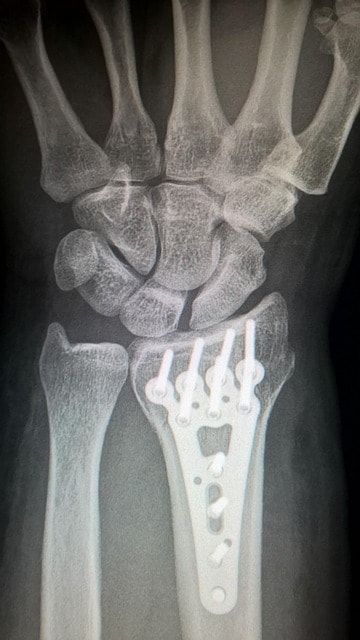
Attleboro personal injury lawyers manage an extensive range of cases involving various types of injuries. These legal professionals are well-versed in addressing the ramifications of car accidents, which frequently yield serious injuries due to factors like negligent driving or substandard road conditions. They also tackle motorcycle accident claims, notorious for causing severe physical harm, providing specialized guidance through the intricate process required to obtain just compensation.
In Attleboro, workplace incidents contribute substantially to personal injury claims that these attorneys handle. Environments lacking safety measures or marked by employer negligence can lead to significant harm that adversely affects a person’s capacity for work and financial stability. Particularly with construction accidents, there is a heightened risk of traumatic brain injuries among other serious impacts. Thus local lawyers focus on aiding those affected in securing restitution for their suffering and financial setbacks.
Attleboro personal injury attorneys look into premises liability issues such as slip and fall accidents when property owners neglect safe maintenance standards resulting in mishaps on their grounds. Incidents ranging from dog attacks to various other forms of personal distress fall within this ambit too. Personal injury attorneys operating out of Attleboro demonstrate proficiency in these matters by ensuring victims obtain equitable remuneration reflecting both the physical damages sustained and any accompanying psychological trauma endured.
How to File a Personal Injury Claim in Massachusetts

Initiating a personal injury claim in Massachusetts requires adhering to several essential procedures. The foremost step is consulting with an adept personal injury attorney who can provide insight into the claiming process and your legal rights. Securing medical attention immediately after an incident is crucial for recording any injuries, which become critical proof when launching your claim.
You will need to construct and submit a formal complaint to the court that outlines both the extent of your injuries and the basis for holding someone responsible. Pursuing an insurance claim precedes taking legal action. Should negotiations with insurers break down, advancing toward filing a lawsuit becomes necessary by preparing and lodging your official grievance.
It’s imperative that all relevant parties receive notice within two years from governmental entities regarding personal injury claims or risk having your case compromised due to improper notification of defendants.
Enlistment of a proficient Massachusetts personal injury attorney is invaluable as they help collect compelling evidence including medical documentation, incident reports, and testimonies from witnesses—all crucial components in strengthening your case. Following this roadmap under expert guidance simplifies navigating through intricate claims processes and significantly improves prospects for achieving favorable outcomes.
Understanding Damages in Personal Injury Lawsuits

It is crucial to understand the various damages from physical pain to post traumatic stress disorder that can be claimed when you are hurt due to someone else’s negligence to ensure maximum compensation. In Massachusetts, personal injury cases offer compensatory damages which are broken down into economic and non-economic categories. The purpose of these compensatory damages is to return the injured party to their pre-injury state by covering both material and immaterial losses.
Economic damages encompass calculable financial impacts like medical expenses and lost wages, while non-economic damages compensate for more subjective effects such as emotional distress and pain. Documenting and substantiating these types of harms with solid evidence is essential when seeking validation in a court setting.
To guarantee just reparation for injuries sustained, it’s important to engage an attorney who has expertise in accurately quantifying these claims and presenting them convincingly before legal authorities.
Economic Damages
In cases involving personal injury, economic damages are the quantifiable financial setbacks that one can measure in dollars and cents. These typically cover expenses for medical care, including all associated medical bills as well as deductibles and payments made from one’s own pocket. When a person suffers severe injuries or incurs serious physical harm like bone fractures or damage to joints, these costs can quickly escalate, highlighting the importance of keeping thorough records.
Another key aspect of economic damages is lost income due to an inability to work because of personal injuries. This kind of financial impact often adds significant stress to those affected. To substantiate claims for lost wages effectively, it’s essential to maintain detailed documentation such as earnings statements and verification from employers. Properly recorded financial losses play a pivotal role in strengthening your case and ensuring you receive appropriate compensation for your hardships.
Non-Economic Damages
Compensation for intangible suffering, such as emotional distress and mental anguish, falls under the category of non-economic damages. Despite their challenge in quantification, these damages are essential to acknowledge the comprehensive effects of an injury. Emotional injuries like PTSD and anxiety warrant rightful compensation.
The process for determining non-economic damages typically includes evaluating the gravity of the injuries along with the age of the claimant. Considerations about chronic pain and how much emotional impact has been endured by the injury are also part of this assessment. A skilled attorney can adeptly argue these points to secure restitution that encompasses all aspects of one’s agony.
The Role of Evidence in Car Crash & Other Such Cases
The foundation of any case is built on evidence. Key components such as accident reports, witness accounts, and medical documentation are crucial to crafting a solid case. They play a significant role in demonstrating fault and validating the extent of your injuries, which is critical to ensure whoever hurt you is held liable or you are able to successfully work through the workers compensation system.
Securing robust evidence right after an incident occurs is essential. This includes obtaining medical records detailing your injuries, securing documents related to the accident itself, and collecting statements from witnesses. Tangible items from the scene like damaged clothing or objects can visually illustrate how severe the incident was. Visual aids like photographs or video footage that depict how the event unfolded Reinforce your account.
Involving experts who can offer authoritative perspectives concerning medical aspects or factors about the accident relevant to your case strengthens its credibility substantially. Demonstrating damages effectively means illustrating not just financial losses but also physical suffering and psychological impacts wrought by personal harm sustained. By amassing thorough evidence, you enhance your ability to argue convincingly for due compensation.
Dealing with Insurance Companies

Dealing with insurance companies following a car accident can be quite daunting. In the context of Massachusetts, the no-fault insurance protocol ensures that your own insurer handles immediate medical expenses resulting from car accidents. It’s important not to hastily accept their first compensation proposal as it might simply be an attempt by them to test how well you understand the value of your claim.
Emphasizing both the emotional distress and extent of injuries sustained can often tip negotiation conversations in one’s favor. Upon filing a claim, expect claims adjusters from insurers to reach out swiftly – remember always to engage with them calmly and politely. When conversing with these adjusters, concentrate on sharing only essential facts about the incident rather than elaborate details.
It is beneficial to have a definite settlement amount in mind. This approach empowers you when confronted with low opening offers from an adjuster. After successfully negotiating terms, documenting them meticulously is vital for establishing clear agreement on what damages are compensated and at what sum total payment agreed upon. Adhering diligently to these guidelines will assist in managing negotiations adeptly while ensuring just recompense is attained.
The Injury Claims Process

The process for filing accident claims encompasses a number of critical steps, beginning with an initial consultation with a lawyer. The purpose of this meeting is to evaluate the situation and compile all pertinent details concerning the accident. During the subsequent investigation stage, your attorney will gather various forms of evidence such as photographs, medical records relevant to the injury claim, and any receipts incurred due to treatment.
Once sufficient evidence has been collected like medical records and bills, a settlement demand letter is typically issued. This document delineates the nature of injuries sustained and seeks financial compensation from those responsible. Should settlement negotiations be unsuccessful, progressing to litigation entails lodging a formal complaint against the defendant which lays out all aspects pertaining to your case. Subsequently entering discovery where both sides engage in sharing information through methods like depositions and interrogatories.
Should mediation fail at resolving matters satisfactorily regarding your personal injury matter, it may then escalate into trial proceedings before either judge or jury who will reach their verdict based on evidence provided by each party involved. Upon conclusion of these court procedures in regards to an individual’s personal injury case, attorneys are tasked with addressing outstanding liens and expenses prior to distributing net compensation received by clients—understanding every phase within this procedure aids immensely towards effective navigation throughout one’s own pursuit toward just remuneration after sustaining injurious harm.
Statute of Limitations for Personal Injury Claims in Massachusetts
In Massachusetts, individuals have a three-year window starting from the accident date to file lawsuits related to personal injuries. This period is counted from when the injury was first noticed. Postponing an injury cause of action could lead to forfeiting the ability to pursue legal action, which highlights the importance of swift action.
Ensuring that you prove negligence by submitting your claim on time allows for it to be considered by courts and opens up possibilities for securing compensation for any harm sustained for you as an injury victim whether you have suffered joint injuries or other personal injuries. A knowledgeable personal injury attorney can provide guidance regarding these deadlines and assist in accomplishing all required procedures within this legally mandated period.
Free Case Evaluation and Contingency Fees
Ballin Law offers a free assessment for cases involving personal injury. Their team of personal injury lawyers delivers tailored, no-cost evaluations to assist you in grasping the possible results and robustness of your claim within the realm of personal injury law.
Clients are required to make payments only when their case triumphs, thanks to contingency fee agreements. Lawyers specializing in Attleboro personal injury Refrain from requesting initial fees or retainers, thus democratizing access to legal counsel. This arrangement guarantees that your attorney is driven to secure the most favorable result for your Attleboro accident case.
Summary
Dealing with the intricacies involved in obtaining fair settlements can be overwhelming, yet comprehending the procedure and securing proper legal support greatly enhances your chances of success. Engaging an experienced Attleboro personal injury lawyer for whatever severe injuries you have suffered like spinal cord injuries and ensure you get the medical treatment you need so your lawyer can assist with evidence collection and handle negotiations with insurers which is vital for obtaining rightful compensation.
Adhering to the instructions provided here ensures you approach your claim well-prepared, backed by both expertise and guidance necessary to secure a positive result. It’s important not to delay. Prompt action paired with early consultation from a skilled attorney can substantially impact the outcome of your personal injury case.
Frequently Asked Questions
Why should I hire a local Attleboro personal injury lawyer?
Employing an Attleboro personal injury lawyer can be beneficial as they have a comprehensive understanding of the specific laws and courtroom practices in the area, along with well-formed connections with both judges and insurers.
Such localized knowledge greatly improves the likelihood of achieving a favorable result for your personal injury case.
What types of personal injury cases are common in Attleboro?
In Attleboro, typical personal injury cases frequently involve incidents such as car accidents, slips and falls, injuries sustained on the job, and dog bites.
It is essential to be aware of these common types of personal injury issues in order to pursue the correct legal action effectively.
How long do I have to file a personal injury claim in Massachusetts?
In Massachusetts, you must file a personal injury claim within three years from the date of the accident.
It is essential to adhere to this timeline to ensure your right to seek compensation.
What are economic damages in a personal injury case?
Economic damages in a personal injury case refer to quantifiable financial losses, including medical expenses and lost wages. These damages are designed to compensate the injured party for their direct financial impact resulting from the injury.
How do contingency fees work in personal injury cases?
Contingency fees in personal injury cases allow clients to pay only if their case is successful, meaning no upfront fees or retainers are required. This arrangement makes legal representation more accessible for those who may not have the financial means to pay otherwise.