


You booked what looked like the perfect getaway. Instead, you ended up in an emergency room after a fall, a burn, or worse. If you’ve been injured at an Airbnb or Vrbo property, you’re probably wondering what happens next and whether anyone is going to help cover those mounting medical bills and provide coverage for your medical bills.
The good news: you likely have legal options. The challenging part: navigating the insurance maze and proving your claim takes careful planning. This guide walks you through everything you need to know about pursuing an Airbnb or Vrbo accident claim in.
Key Takeaways
- Guests injured at Airbnb and Vrbo rentals can often pursue a premises liability claim against the host, property owner, or other responsible parties when negligence caused the accident.
- Both Airbnb and Vrbo typically offer hosts up to $1,000,000 in liability insurance coverage per occurrence, but this protection has significant exclusions and isn’t automatic for all situations.
- Proving negligence such as unsafe stairs, missing railings, carbon monoxide leaks, pool hazards, or inadequate lighting is essential for a successful claim.
- Injured guests should seek prompt medical care, document the scene with photos and witness details, and report the incident to the platform in writing as soon as possible.
- An experienced premises liability or personal injury lawyer can investigate fault, deal with insurers, and pursue compensation for medical expenses, lost income, and pain and suffering.
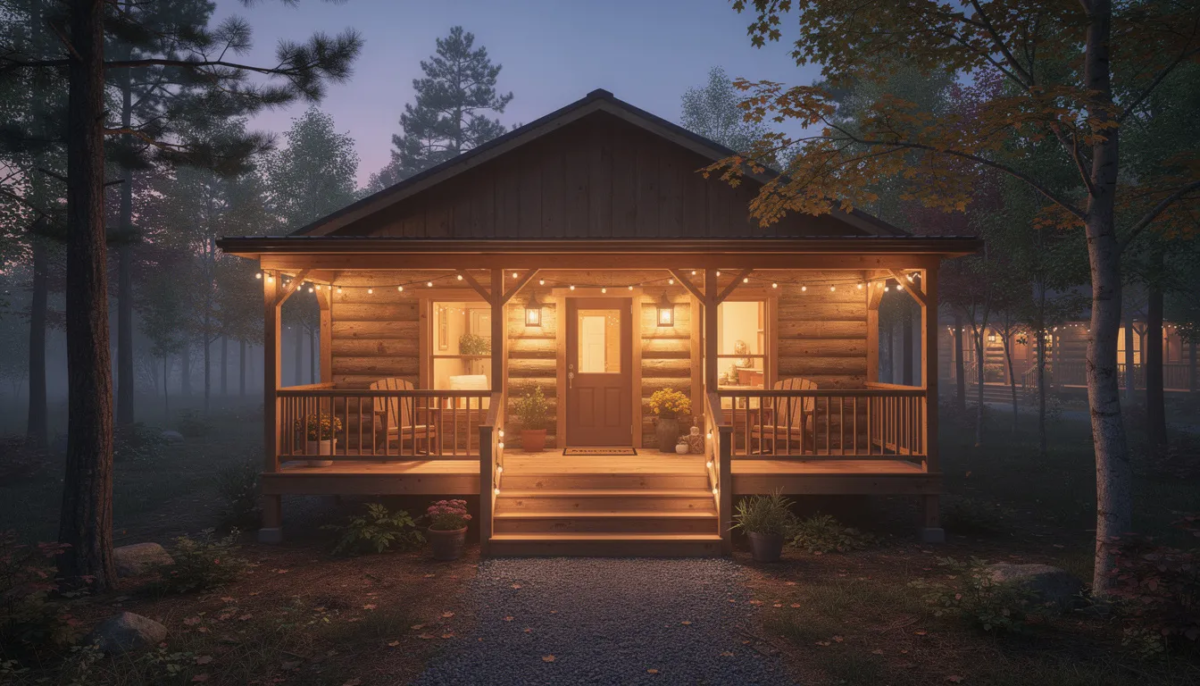
Injured at an Airbnb or Vrbo? What You Should Do Right Now
Many short term vacation rentals accidents happen during weekend trips or holiday stays: Memorial Day at the beach house, July 4th at the lake cabin, Christmas at the ski chalet. The first hours after an incident are crucial for both your health and any potential legal claim you might pursue.
Here’s what to do immediately:
- Call 911 or local emergency services if the injury is serious. This includes fractures, head trauma, spinal pain, loss of consciousness, or carbon monoxide symptoms like headache and confusion. Don’t try to “tough it out.”
- Get evaluated at an ER or urgent care the same day—even if you feel “okay.” Adrenaline masks pain. Delayed medical records can seriously hurt a claim because insurers will argue the accident didn’t actually cause your injuries.
- Take detailed photos and videos of the dangerous condition before anyone repairs it. Capture that broken step, loose railing, wet floor without a warning sign, unfenced pool, exposed wiring, or missing smoke detectors. Timestamps matter.
- Collect witness information. Get names, phone numbers, and emails from other guests staying at the rental or neighbors who saw the hazard or watched you fall.
- Report the incident through the Airbnb or Vrbo app messaging system. Keep screenshots of all communications with the host and the platform. Written documentation creates a paper trail that’s hard to dispute later.
- Avoid lengthy written statements or accepting fault. Don’t give recorded statements to any insurance adjuster before speaking with a lawyer. What seems like a casual conversation can become evidence against you.
- Contact a personal injury lawyer as soon as possible. Many firms offer phone or video consultations, so you can get advice while still traveling. Early legal involvement helps secure evidence and protect critical deadlines.
The goal here isn’t to be litigious—it’s to protect yourself. Evidence disappears quickly. Memories fade. Hosts repair hazardous conditions. Moving fast preserves your options.
Vacation Rentals and Premises Liability Basics
Premises liability is the legal concept requiring owners and occupiers of property to keep it reasonably safe for lawful visitors. When you book a vacation rental through Airbnb or Vrbo, you become an “invitee” under the law—and that status comes with important protections.
Here’s what that means in practice:
- Property owners owe guests a high duty of care. In most U.S. states, this means the owner or host must inspect the rental property, identify hazards, and either fix them or warn guests about them. A simple “watch your step” note doesn’t cut it when the staircase is structurally unsound.
- Liability often hinges on what the owner knew—or should have known. If a handrail was loose for weeks before your fall, and the host received complaints about it, that’s strong evidence of negligence. Courts look at whether the property was properly maintained over time.
- Building code violations strengthen negligence claims. Missing guardrails on elevated decks, inadequate pool barriers, no working smoke alarms—these aren’t just safety oversights. They’re code violations that demonstrate a host failed to meet minimum legal standards.
- Some states have specific short-term rental laws. North Carolina’s Vacation Rental Act, Florida’s vacation rental regulations, and California’s short-term rental ordinances all shape what duties hosts owe and what rights injured guests have.
Example 1: A guest slips on an unlit exterior staircase at 10 PM. The property owner knew the light had been burned out for two weeks but never replaced it. A premises liability lawsuit would focus on the owner’s failure to maintain safe conditions.
Example 2: A child wanders through an unlocked gate and falls into an unfenced backyard pool. The property owner could be held liable for failing to install basic safety barriers required by local code.
Common Airbnb and Vrbo Accidents and Injuries
Injuries at vacation rentals range from minor sprains that heal in weeks to catastrophic harm requiring lifelong care—or even wrongful death. Understanding common accident types helps you recognize when a host’s negligence may have contributed to your injury.
Slip, Trip, and Fall Accidents
These account for roughly 40% of short-term rental injury claims. Common scenarios include:
- Wet tile floors near hot tubs or pools
- Loose rugs in hallways and bedrooms
- Uneven steps and broken deck boards
- Icy walkways without salt or sand
Injuries caused by falls often include wrist fractures, broken bones, torn ligaments, and head injuries.
Structural and Maintenance Hazards
Deferred maintenance creates serious risks:
- Collapsing balconies and rotten deck railings
- Missing handrails on steep staircases
- Poorly lit walkways leading to falls
- Doors that don’t lock properly
These hazards can cause head trauma, spinal injuries, and other serious injury outcomes.
Fire and Carbon Monoxide Incidents
Faulty furnaces, gas appliances, fireplaces, or missing smoke and CO detectors put guests at extreme risk. Carbon monoxide poisoning can cause brain damage or death—and guests often don’t realize the danger until it’s too late.
Pool, Hot Tub, and Waterfront Accidents
Drownings, near-drownings, and entrapments happen when:
- Fencing is missing or broken
- Pool covers aren’t secured
- Depth markings are absent
- Slick pool decks lack non-slip surfaces
These accidents can result in brain damage from oxygen deprivation or wrongful death claims.
Negligent Security Issues
Urban and resort rentals may have:
- Broken locks that don’t secure doors
- Unsecured windows on ground floors
- Inadequate lighting in parking areas or hallways
These unsafe conditions can contribute to assaults, robberies, or home invasions—and the property owner may be held responsible.
Defective Furniture and Appliances
Injuries from:
- Collapsing bunk beds
- Falling televisions not secured to walls
- Faulty grills or space heaters
- Glass patio tables that shatter
Both adults and children suffer injuries when hosts don’t maintain or properly secure furniture and appliances.

Who Can Be Held Liable for a Vacation Rental Injury?
Airbnb and Vrbo accident claims can involve multiple potentially responsible parties and multiple layers of insurance coverage through both homeowners coverage as well as additional insurance coverage through the rental platform. Careful investigation is essential to identify everyone who may share fault.
| Potential Defendant | When They May Be Liable |
|---|---|
| Property owner/host | Failed to maintain safe premises, ignored known hazards, violated building codes |
| Property management companies | Responsible for inspections and maintenance, knew of recurring issues |
| Cleaning services | Left wet floors without warning, created slip hazards |
| Maintenance contractors | Performed shoddy repairs, failed to report dangerous conditions |
| Product manufacturers | Defective grill, appliance, or furniture caused the injury |
| Security companies | Failed to monitor or respond to security breaches |
Airbnb and Vrbo are usually not directly liable. Courts typically treat these platforms as intermediaries or marketplaces, similar to how you can’t sue eBay because a seller shipped you a defective product. However, both platforms do provide insurance coverage for hosts that may cover your claim.
Comparative negligence matters. If you bear some responsibility for the accident—say, you were running on wet floors near a pool or ignored clearly posted warnings—your recovery may be reduced. In “pure comparative negligence” states, you can still recover damages even if you’re 80% at fault; in “modified” states, your recovery may be barred if you’re 50% or more responsible. The rules vary by state.
A lawyer investigating your claim will typically review:
- Listing descriptions and photos
- Maintenance records and repair history
- Past guest complaints and reviews from 2023-2024
- Platform communications between you and the host
- Local code enforcement records
The Role of Insurance in Airbnb and Vrbo Accident Claims
Insurance is often the primary source of financial compensation for injured guests, but coverage can be surprisingly complicated with vacation rentals.
The Homeowners Insurance Problem
Standard homeowners or landlords policies frequently exclude “business use” or short-term rental activity. If a host is renting out their property through Airbnb or Vrbo but only has a regular homeowners policy, that policy may deny the claim entirely. About 60% of U.S. homeowner policies explicitly prohibit short-term rentals. It is imperative for owners who rent out their properties to purchase the correct liability coverage.
Airbnb’s Host Liability Insurance
Airbnb offers liability protection through its AirCover program, providing up to $1,000,000 per incident for bodily injury or third-party property damage. Key details:
- Coverage applies when the host is found legally responsible
- Excludes intentional acts, criminal behavior, and certain conditions like mold
- Functions as primary insurance if the host lacks their own policy
- Claims are processed through Airbnb’s designated insurance partners
Vrbo’s Liability Coverage
Does Vrbo provide insurance? Yes—Vrbo’s $1 million liability program is in place. It covers:
- Traveler injuries on the rental property
- Property damage claims against the host
- Works globally for bookings made through Vrbo’s checkout system
If the host has no personal policy, Vrbo’s coverage functions as primary insurance—but with a 25% deductible. That means on a $1 million payout, the host would be responsible for $250,000.
How Claims Actually Work
Injured guests generally don’t “sue Airbnb or Vrbo” directly. Instead:
- You file a claim against the host
- The host’s personal insurance (if any) responds first
- Platform coverage may layer on top or serve as primary coverage
- Negotiations happen with insurers representing the host
This process is often contentious and slow. Claims involving serious injuries in late 2023 and 2024 with ongoing medical care can take a year or more to resolve.
One key gap: Vrbo’s liability coverage doesn’t protect the host’s own property damage—only injuries to guests. This means a host dealing with an injury claim and property damage must navigate dual channels, potentially leaving gaps.
How to Build a Strong Airbnb or Vrbo Accident Claim
Success typically depends on evidence showing three things: a dangerous condition existed, the host knew or should have known about it, and that condition directly caused your injury.
Preserve All Evidence
Keep everything:
- Photos and videos of the hazard (timestamped)
- Damaged clothing, shoes, or personal items
- Medical reports and imaging
- Receipts for medical expenses and other costs
- All messages with the host and platform
Document the Timeline
Create a clear chronology:
- When you arrived at the vrbo vacation rental
- When you first noticed the hazardous conditions
- When (or if) you reported concerns to the owner
- Exactly when the accident occurred
- When you sought medical care
Keep a Pain Journal
Starting from the date of your injury, record:
- Daily symptoms and pain levels
- Limitations at work
- How the injury affects daily activities (sleep, childcare, exercise)
- Emotional impact and mental health effects
This documentation proves ongoing suffering when the insurance company tries to minimize your claim.
Gather External Evidence
Attorneys can obtain:
- Building inspection records
- Prior guest complaints and negative reviews mentioning similar hazards
- Local code enforcement files
- Maintenance logs showing the property wasn’t properly maintained
Research shows that 15-25% of claims are denied due to insufficient evidence—so thorough documentation isn’t optional.
Maintain Complete Medical Records
Every doctor visit, physical therapy session, specialist evaluation, and prescription fills in the picture of your injury claim. Missing appointments or gaps in treatment give insurers ammunition to argue you weren’t that hurt.
Stay Off Social Media
Insurers routinely monitor claimants’ social media accounts. That photo of you smiling at a family gathering? They’ll use it to argue your injuries aren’t serious. Keep quiet about your accident and emotional trauma online.

Damages You May Recover in an Airbnb or Vrbo Accident Claim
Compensation is meant to make you whole—covering what you’ve lost and what you’ll continue to lose because of the injury. What you can recover depends on the severity of harm and available insurance coverage.
Economic Damages
These are the quantifiable financial losses:
| Category | Examples |
|---|---|
| Medical expenses | ER bills, hospital stays, surgery, physical therapy, prescriptions, assistive devices |
| Future medical needs | Projected surgeries, ongoing therapy, long-term care |
| Lost wages | Time missed from work, reduced hours, sick days used |
| Lost earning capacity | Inability to return to same job or work same hours |
| Out-of-pocket costs | Travel for medical appointments, home modifications |
Non-Economic Damages
These compensate for intangible losses:
- Pain and suffering
- Emotional distress and anxiety
- Loss of enjoyment of life (can’t participate in hobbies, travel, activities)
- Loss of consortium (impact on spousal relationship)
Wrongful Death Claims
In cases involving carbon monoxide poisoning, drowning, or other fatal accidents at a vrbo rental or Airbnb property in 2023-2024, families may pursue:
- Funeral and burial expenses
- Loss of financial support the deceased would have provided
- Loss of emotional support and companionship
Watch for Lowball Offers
Initial settlement offers from the insurance company often undervalue long-term impacts. Injuries like traumatic brain injury or chronic back pain may not fully resolve—and accepting an early offer can leave you paying out of pocket for years of future treatment.
Deadlines and Legal Process for Airbnb/Vrbo Injury Claims
Every state imposes a statute of limitations—a deadline after which you permanently lose the right to file a lawsuit. Missing this deadline means losing your claim, no matter how strong the evidence.
Common Deadlines
| State | Personal Injury Statute of Limitations |
|---|---|
| Massachusetts | 3 years |
| Other states | Varies (1-6 years) |
Claims involving government entities often have much shorter notice deadlines—sometimes as little as 6 months.
The Typical Claim Process
- Investigation and treatment: Gather evidence while receiving medical care
- Demand letter: Your attorney sends a formal claim to the host’s insurer
- Negotiations: Back-and-forth on settlement value
- Lawsuit filing: If negotiations fail, file in the appropriate court
- Discovery: Both sides exchange evidence and take depositions
- Settlement or trial: Most cases settle; a small percentage go before trial lawyers and a jury
Earlier Is Better
Consulting a lawyer within weeks of an accident makes it easier to:
- Locate witnesses before they forget details or move
- Preserve physical evidence before repairs
- Document the scene while hazards still exist
- Meet all procedural deadlines
Most premises liability cases settle before trial. But building your case as if it will go to court—with thorough evidence and expert opinions—typically leads to better settlement offers.
Platform Terms of Service
Both Airbnb and Vrbo include arbitration clauses in their terms of service. A lawyer can explain how these provisions affect where and how claims are pursued and whether they apply to your situation.
Why Working With a Vacation Rental Injury Lawyer Helps
Airbnb and Vrbo accident claims combine premises liability law with complex insurance questions. Navigating this landscape without experienced legal help puts you at a disadvantage against insurance companies with teams of adjusters and attorneys.
What a Lawyer Brings to Your Case
- Identifying all defendants and coverage: A lawyer can uncover excess or umbrella policies, commercial coverage held by property managers, and other sources of financial support you might not know exist.
- Handling all communications: Your attorney deals with Airbnb, Vrbo, and all insurers directly—helping you avoid missteps that could damage your claim.
- Investigating properly: From obtaining building records to finding prior guest complaints, lawyers know what evidence matters and how to get it.
- Valuing your claim accurately: Experienced attorneys understand what similar cases settle for and won’t let you accept less than you deserve.
Contingency Fee Arrangements
Most personal injury firms work on a contingency fee basis: you pay nothing upfront, and the attorney only gets paid if they obtain a settlement or verdict on your behalf. This structure makes legal help accessible even when medical bills are piling up.
Real-World Impact
Consider a family injured on a collapsing deck or broken stairs. Without legal representation, they might have accept the first small offer from the insurer not realizing what fair compensation means. With an attorney who investigated code violations and prior complaints, they can recover compensation covering all their damages.
If you’ve been injured at an Airbnb or Vrbo property, schedule a free consultation soon after the incident. Understanding your options and case value before accepting any offer protects you from settling too cheaply.

FAQ: Airbnb & Vrbo Accident Claims
Do I have a claim if I signed a waiver or the listing said “use at your own risk”?
Broad disclaimers in listings or house rules usually do not eliminate a host’s legal duty to maintain safe premises or comply with building codes. Many courts view such waivers skeptically, especially for serious hazards like structural failures, code violations, or hidden dangers guests could not reasonably detect. A lawyer can review any waiver or rental agreement to assess its real impact on your potential premises liability lawsuit.
What if I was partly at fault for my accident at an Airbnb or Vrbo?
Many states follow comparative negligence rules, where an injured person’s share of fault reduces their recovery rather than automatically barring it. A guest who was careless—walking barefoot on a wet deck while carrying drinks—may still recover damages if the vrbo property or Airbnb rental was unreasonably dangerous. Exact rules vary by state (pure vs. modified comparative negligence), so legal advice based on local law is important before you file a premises liability claim.
Should I keep paying out of pocket for medical bills while my claim is pending?
Injured guests typically remain responsible for their own medical bills as they arise, using health insurance or other coverage when available. Later settlements or verdicts can reimburse those costs, but healthcare providers still expect timely payment during treatment. A lawyer can sometimes help coordinate with providers about liens or delayed billing arrangements while your claim is pursued.
Can I bring a claim if the accident happened in another state or country?
Many Airbnb or Vrbo rental injuries occur while traveling—a New York resident hurt at a Massachusetts rental, for instance. The claim usually follows the law where the else’s property is located, not where you live. Cross-border or international incidents (injuries at a rental in Mexico or Europe) involve different rules and may still warrant consultation with a U.S. attorney experienced in international cases. Because jurisdiction can be complex, early legal guidance is especially important when the accident occurred far from home.
How long will it take to resolve my Airbnb or Vrbo accident claim?
Minor injury claims sometimes resolve within several months once treatment is complete. Serious cases with surgeries or long-term disability can take a year or more. Insurers often wait until they have full medical documentation and may delay or dispute liability, extending the timeline. Filing a lawsuit may be necessary if negotiations stall, adding additional months depending on the court’s schedule. Throughout this process, you shouldn’t have to pay anything upfront if you’re working with a contingency-fee attorney.