


Key Takeaways
- Fault and insurance coverage in an uber or lyft accident depend heavily on the driver’s app status at the exact moment of the crash whether offline, waiting for a request, en route to pick up, or carrying a passenger.
- Rideshare passengers are often covered by up to $1,000,000 in liability coverage while a trip is in progress or the driver is en route to the pickup location.
- Immediate steps after a rideshare accident include calling 911, obtaining a police report, photographing the accident scene, reporting the crash through the Uber or Lyft app, and avoiding recorded statements to any insurance company before getting legal advice.
- Rideshare drivers typically need two insurance policies—one for personal use and one for rideshare driving—to ensure full protection during all phases of their work.
- An experienced personal injury lawyer can help sort through overlapping insurance policies, filing deadlines, and whether you can pursue Uber, Lyft, the uber or lyft driver, or other at fault parties for compensation.
- Understanding the type of accident and your role in it (passenger, other driver, pedestrian, or rideshare driver) is critical for determining which policies apply and what legal options you have.

Introduction: Understanding Uber & Lyft Rideshare Accidents
Uber and Lyft have fundamentally transformed how Americans get around since launching in the early 2010s, offering convenient on-demand transportation in cities across the country. However, this innovation has created new legal and insurance complications when crashes occur, leaving many accident victims confused about their rights and who will pay for their injuries.
Rideshare collisions can involve passengers inside the lyft or uber vehicle, other motorists struck by a rideshare driver, pedestrians, cyclists, and even people waiting at the curb for their ride. When an accident involving one of these vehicles happens, multiple insurance companies often become involved, each looking to minimize their own payout.
A rideshare accident refers to any crash involving a vehicle being used for Uber or Lyft, whether the driver’s app is completely off, the driver is online and waiting for a ride request, or the driver is actively transporting a passenger. The driver’s status at the moment of impact has enormous implications for which insurance policy covers the losses.
This article explains how rideshare insurance work, what steps you should take immediately after a crash, who might be liable for your injuries, and when an injured person may be able to bring a personal injury lawsuit or claim. If you’re dealing with medical bills, missed work, and uncertainty about what comes next, understanding these fundamentals can help you protect your rights and seek compensation for your losses.
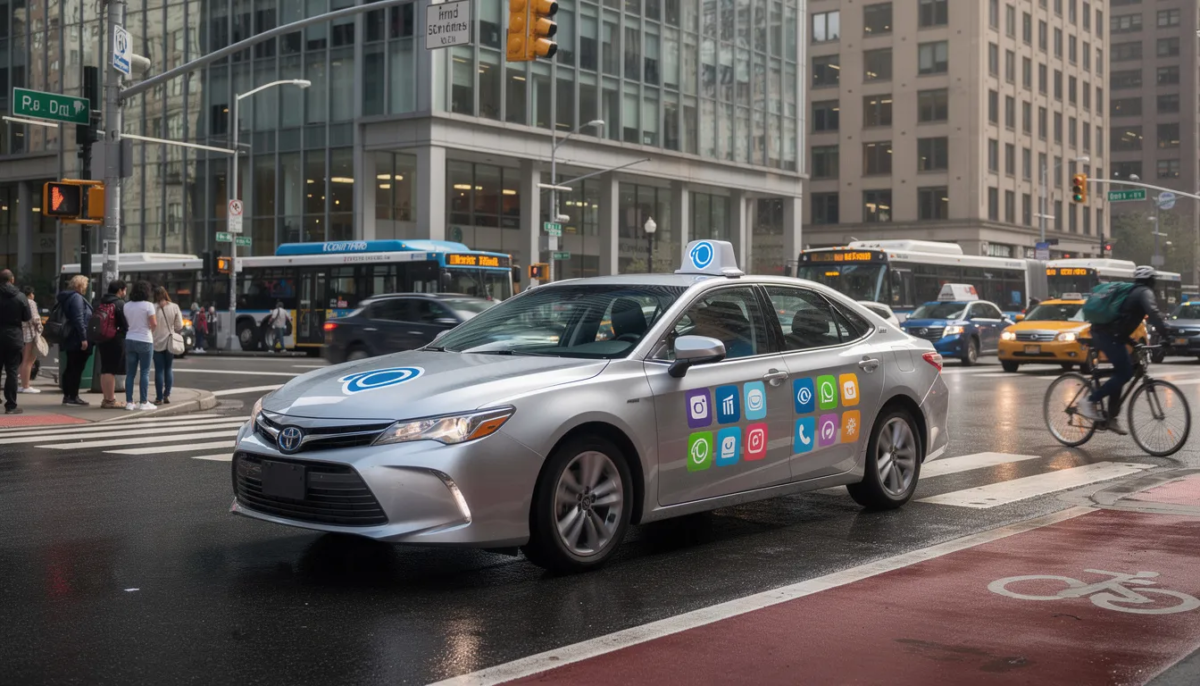
Uber and Rideshare Law
Uber and Lyft have revolutionized urban transportation, but their rapid growth has also introduced new legal complexities for anyone involved in a rideshare accident. Unlike traditional taxi services, rideshare companies operate under a unique set of laws and regulations that can make it challenging for accident victims to understand their rights and the best way to pursue a claim.
If you’re injured in an uber or lyft accident whether as a passenger, another driver, pedestrian, or even as a rideshare driver yourself knowing your legal rights is crucial. The laws and insurance coverage governing uber and lyft accidents often differ from those that apply to standard car accidents. Issues such as the driver’s status at the time of the accident, the classification of drivers as independent contractors, and the interplay between personal and company insurance policies can all affect your ability to recover compensation.
Navigating these legal hurdles can be overwhelming, particularly when you’re dealing with medical bills, lost income, and the stress of recovery. This is where an experienced personal injury lawyer becomes invaluable. A lawyer who understands the nuances of uber and lyft law can help you gather evidence, prove liability, negotiate with insurance companies, and ensure that your claim is filed correctly and on time. They can also advise you on whether you have grounds for a personal injury lawsuit or if your case is best resolved through an insurance settlement.
If you’ve been involved in a lyft accident or any accident involving a rideshare vehicle, don’t leave your future to chance. Protect your legal rights by consulting with a knowledgeable attorney who can guide you through the process and help you seek the compensation you deserve.
How Uber and Lyft Insurance Coverage Works
Uber and Lyft use tiered insurance coverage that changes depending on whether the driver is offline, waiting for a fare, en route to pick up a passenger, or actively transporting someone. Understanding these tiers is essential because the available coverage can range from nothing at all to $1,000,000 or more.
Both companies typically provide up to $1,000,000 in third-party liability insurance and uninsured/underinsured motorist coverage once a trip is accepted and the rideshare driver is headed to pick up or is carrying a rider. This substantial coverage protects passengers and others injured in crashes during active trips. Uber offers $1 million in coverage to rideshare passengers only when the driver is actively engaged in a ride. Rideshare drivers must maintain the amount of insurance required in the state where they will drive.
Before a ride is accepted, when the driver is just online and available, lower coverage limits apply. This contingent liability coverage has smaller per-person and per-accident caps and only supplements what the driver’s personal insurance doesn’t cover. The exact amounts vary but are significantly less than the million-dollar policy.
When the driver is completely offline with the app closed, only their personal auto insurance normally applies. In this situation, the driver’s personal insurance is the primary source of coverage for any claims. The uber or lyft policy provides no coverage at all during these periods, meaning victims must pursue the driver’s personal insurance to seek compensation.
Policy details like exact dollar limits and no-fault requirements vary by state and sometimes by city regulation. Readers should treat the examples in this article as typical but not universal, and consult with a lawyer familiar with their specific jurisdiction. Uber and Lyft’s insurance policies are secondary to the driver’s personal insurance if the driver’s personal insurance covers the accident.
Common Driver Status Phases at the Time of the Crash
Understanding the driver’s status at the exact moment of the accident is crucial because it determines which insurance policy applies and how much coverage is available.
Phase 1 – Offline: When the app is closed and the driver is using the vehicle for personal reasons – for example, driving home after finishing a shift, only their personal insurance applies. Neither Uber nor Lyft provide any coverage during this phase. If the driver’s personal insurance has a business use exclusion, there may be gaps that leave victims without adequate coverage. Additionally, without collision coverage on their personal policy, drivers may not be protected for their own vehicle damage during this phase. If the rideshare driver was not logged into the app at the time of the accident, their personal insurance applies, and Uber or Lyft is unlikely to be responsible.
Phase 2 – Online and Waiting for a Request: When the driver is logged into the driver’s app and available but has not yet accepted a ride, limited contingent liability coverage may step in. This coverage typically offers amounts in the tens of thousands of dollars, not the $1,000,000 available during active trips. It only applies after the driver’s own personal insurance is exhausted or denies the claim. Uber and Lyft’s liability insurance policies only apply when the driver is on the clock, either waiting for ride requests or giving a ride.
Phase 3 – En Route to Pick Up: Once the driver accepts a ride request and is on the way to the passenger, the highest-level rideshare insurance policy usually activates. This often includes up to $1,000,000 in liability coverage, providing substantial protection for the passenger waiting for pickup and others on the road.
Phase 4 – Trip in Progress: From the moment the passenger gets into the car until drop-off is completed in the app, the full rideshare policy typically remains in effect. This typically includes both liability coverage and UM/UIM coverage for injured passengers, offering the maximum protection available under the uber or lyft policy.
Types of Uber and Lyft Rideshare Accidents
The victim’s role in a rideshare crash whether you’re a passenger, another driver, a pedestrian, a cyclist, or the rideshare driver themselves can change which insurance policies apply and who can potentially be sued for damages.
Common scenarios include:
- Injured rideshare passengers inside the Uber or Lyft
- Other motorists hit by a rideshare driver
- Pedestrians or cyclists struck by a rideshare vehicle
- Rideshare drivers injured by another driver’s negligence
Each scenario involves different liability questions. Was the rideshare driver at fault, or did the other driver cause the crash? In some cases, multiple parties involved may share responsibility. Research indicates that 90% of rideshare accidents occur in urban areas, with 42% happening at intersections where traffic, turning vehicles, and pedestrians create hazardous conditions.
Understanding the type of accident is the first step a lawyer takes to map out insurance coverage and identify potential sources of compensation for the injured person. The driver’s status at the time of the crash whether they were logged into the app, waiting for a ride request, or actively transporting a passenger is also critical in determining which insurance policies apply.

Passenger Injured While Riding in Uber or Lyft
Passengers are almost never considered at fault for a car accident, so their primary concern is determining which insurance policy will cover their medical expenses and other losses.
When the trip is active, passengers may be covered by the rideshare company’s $1,000,000 liability policy. If another driver without adequate insurance caused the crash, the uninsured/underinsured motorist coverage included in the rideshare policy may also apply to protect the passenger.
Passenger claims can include reimbursement for emergency room bills, surgery, physical therapy, prescription medications, lost wages during recovery, and in serious cases, compensation for long-term disability, chronic pain, or pain and suffering. The severity of bodily injury directly affects the value of potential claims.
Passengers should always report the incident in the Uber or Lyft app immediately, save screenshots of the ride details (including the driver’s name, license plate, trip time, and route), and seek prompt medical attention to document any injuries. Even if you feel fine at the scene, some injuries don’t become apparent until hours or days later.
Accidents Involving Other Drivers, Pedestrians, or Cyclists
People outside the uber or lyft vehicle who are struck or otherwise involved in a collision caused by a rideshare driver face their own set of challenges when pursuing compensation.
Liability usually depends on who caused the crash. If the rideshare driver is at fault and was online at the time of the accident, Uber or Lyft’s insurance coverage may help pay claims up to the applicable limits based on the driver’s status. The vehicles involved and the circumstances of the crash will be carefully examined.
If the rideshare driver was offline when the accident occurred, the claim must typically go through the driver’s own auto insurance policy instead of the rideshare company’s coverage. This can significantly limit available compensation if the driver has minimal coverage.
Pedestrians and cyclists often suffer the most serious injuries in these accidents, including traumatic brain injuries and spinal damage. It’s critical for them to gather as much information as possible at the accident scene: the driver’s name, license plate number, any visible app screenshots, and contact details for witnesses who saw what happened.
Rideshare Driver Injured in an Uber or Lyft Accident
Uber and lyft drivers face unique challenges when they’re injured in crashes, whether another motorist caused the accident or the rideshare driver bears some responsibility.
If the other driver caused the crash, the rideshare driver may file a claim against that driver’s liability insurance. If the at fault driver’s coverage is inadequate, and the rideshare driver had their app on at the time, Uber or Lyft’s UM/UIM coverage may help fill the gap.
Some states offer personal injury protection (PIP) or no-fault benefits that might cover the rideshare driver’s initial medical expenses and partial lost wages regardless of who was at fault. These benefits are subject to state-specific limits and rules.
Many drivers involved in rideshare work face an additional complication: their personal auto insurance policy may contain “business use” exclusions. If the driver’s insurer learns they were using the vehicle for commercial rideshare activity without proper endorsement, coverage disputes can arise, potentially leaving the driver without the protection they expected.
What to Do Immediately After an Uber or Lyft Crash
The actions you take in the first hours after a rideshare accident can significantly affect both your health outcomes and the strength of any legal claim you might later pursue. Creating a clear paper trail from the very beginning protects your interests. Ensure a police report is filed even for minor accidents, as it serves as vital third-party evidence for insurance claims. Screenshot your trip details in the Uber or Lyft app before the app resets, capturing driver name, vehicle info, and route. Document the scene with photos and exchange insurance/contact information with all drivers involved after an accident.
Safety and medical care come first. After that, focus on documentation: obtaining a police report, preserving medical records, taking photographs of the scene and vehicle damage, and making timely reports to Uber or Lyft and relevant insurers. If involved in an Uber or Lyft accident, prioritize safety by moving out of traffic and calling 911 for police and medical assistance.
Don’t rely solely on the rideshare driver to handle reporting. Passengers and other victims should document and report the crash independently. The driver’s interests may not align with yours, especially when liability is disputed.
Avoid admitting fault, speculating about what caused the accident, or giving recorded or written statements to insurance adjusters before you understand your rights. What you say in the immediate aftermath can be used against you later.
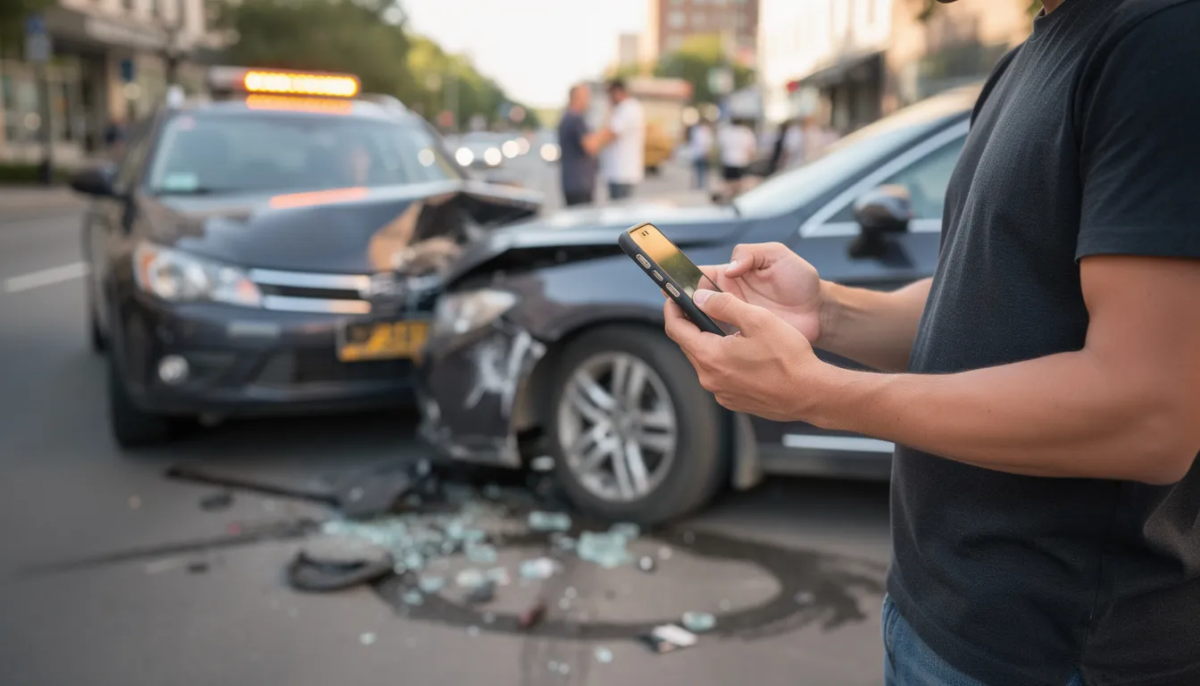
Ensure Safety and Get Medical Help
If you’re able to move safely, get yourself and others out of the flow of traffic. Move to the sidewalk or shoulder, away from vehicles. Turn on hazard lights if you’re in a car, and call 911 immediately—especially if anyone appears injured or vehicles are blocking traffic lanes.
Even if your injuries seem minor or you feel fine in the moment, seek medical evaluation the same day. Conditions like whiplash, soft tissue injuries, and mild traumatic brain injuries often don’t produce obvious symptoms right away. Adrenaline can mask pain for hours.
Emergency room, urgent care, or primary care records from the date of the crash become critical evidence linking your injuries to the accident. Insurers routinely argue that gaps in medical treatment mean injuries weren’t caused by the collision or aren’t as serious as claimed. Prompt treatment undermines these arguments.
Call the Police and Get a Crash Report
Insist on a police response, particularly when the collision involves injuries, visible property damage, or disputes about who was at fault. A formal crash report creates an official record of what happened.
The officer’s report will usually list all drivers involved, passengers, insurance information, vehicle plates, and sometimes a preliminary assessment of fault. This document can be valuable during negotiations with insurers and in any subsequent personal injury lawsuit.
Obtain the report number at the scene if possible. Later, you can request a full copy from the responding agency whether city police, county sheriff, or state highway patrol. Many agencies now offer online access to crash reports within a few days.
Review the report for accuracy once you receive it. If important details are missing or incorrect—such as passenger names, the driver’s status in the app, or witness contact details—inform your attorney promptly so corrections can be requested.
Document the Scene and Collect Information
Use your smartphone to thoroughly document the accident scene. Take wide shots showing all vehicles involved, their positions, and the overall scene. Capture close-ups of damage to each vehicle, traffic signals, skid marks, weather conditions, and road conditions.
Collect names, phone numbers, email addresses, and insurance information for all drivers. Get contact information for independent witnesses who saw the crash or its immediate aftermath. Witness testimony can be decisive when liability is disputed.
If you were a passenger, screenshot the active ride screen showing the uber driver or lyft driver’s name, the lyft vehicle or Uber vehicle details, license plate, pickup and drop-off locations, and the exact time of the trip. This information may not be accessible later and is essential for proving the driver’s status.
Keep notes about what was said at the scene. Any admissions like “I didn’t see the light” or “I was checking my phone” may later support a negligence claim against the at fault party. Write these down as soon as possible while your memory is fresh.
Report the Crash to Uber or Lyft and Your Insurer
Promptly report the accident through the Uber or Lyft app using the in-app “Help” or “Trip issues and refunds” sections. Save any confirmation emails or messages you receive as proof that you reported the incident.
Other drivers involved should also notify their own auto insurers as soon as possible—typically within 24 to 72 hours to avoid disputes over late reporting. Most policies require prompt notification as a condition of coverage.
When speaking to any insurer including Uber or Lyft’s partner insurers stick to basic facts: the time, location, and vehicles involved. Avoid speculating about the extent of your injuries or who was at fault. Adjusters are trained to gather statements that can be used to minimize your claim.
Contact an experienced personal injury lawyer before agreeing to recorded statements, signing medical releases, or accepting early settlement offers from any insurance company. What seems like a reasonable offer in the first weeks after an accident often falls far short of covering long-term medical needs and lost income.
Who May Be Liable in an Uber or Lyft Accident?
Multiple parties can be legally responsible for injuries in a rideshare crash. Liability may be shared between drivers, rideshare companies, and even third parties like repair shops, vehicle manufacturers, or municipalities responsible for road maintenance.
Fault is generally based on negligence a failure to use reasonable care. Examples include running a red light, speeding, distracted driving while checking a ride request, or failing to maintain a safe vehicle. To prove liability, the injured party must show that someone’s careless conduct caused the accident and resulting injuries.
Because Uber and Lyft classify their drivers as independent contractors rather than employees, holding the companies directly liable often requires specific legal theories. These might include negligent hiring, negligent retention (keeping a dangerous driver on the platform), or failure to implement adequate safety measures.
In some cases, manufacturers (for defective vehicle parts), maintenance companies (for negligent repairs), or government entities responsible for road design may also share blame for a crash.
Potentially Liable Parties
Uber or Lyft Driver: The rideshare driver may be liable for careless conduct like speeding, running a stop sign, failing to yield, or using the driver’s app while driving. Whether their personal insurance or the rideshare company’s policy covers the claim depends on their status at the time of the accident.
Other Motorists: Another driver may be primarily at fault for example, by rear-ending the Uber at a red light or running a stop sign into the lyft vehicle. In these cases, passenger claims would typically be filed against that motorist’s liability insurance, with the rideshare policy’s UM/UIM coverage potentially available if the other driver lacks adequate insurance.
Uber or Lyft (the Company): Although direct liability is limited due to the independent contractor model, claims may arise when the rideshare company knowingly allowed a driver with prior DUI convictions, reckless driving history, or assault complaints to remain active on the platform. Research shows that both companies have faced scrutiny over driver vetting and safety protocols.
Vehicle or Parts Manufacturer / Repair Shop: Defective brakes, failed airbags, tire blowouts, or shoddy repairs performed shortly before the crash may create additional product liability or negligent repair claims. These cases require investigating the vehicle’s maintenance history and any recent service work.
Can You Sue Uber or Lyft After a Rideshare Accident?
Generally the claim is against the driver who is insured through Uber or Lyft rather than a direct negligence claim against the rideshare company. Whether a victim can sue Uber or Lyft directly depends on the driver’s status, the cause of the crash, and the legal doctrines in their state. The question of when you can sue Uber or sue Lyft directly versus pursuing insurance claims requires careful legal analysis. Rideshare companies are generally shielded from liability for their drivers’ actions due to the classification of drivers as independent contractors, but this is still under active litigation around the country.
Most routine rideshare accident claims are handled through insurance settlements. Lawsuits become necessary when coverage is disputed, injuries are severe enough that policy limits may be inadequate, or the rideshare company’s direct negligence is at issue.
Both Uber and Lyft include arbitration clauses in their terms of service for users and sometimes for drivers. These clauses may require certain disputes to be handled through private arbitration rather than a public jury trial. The enforceability of these provisions varies by state and situation.
An attorney can review app terms, insurance policies, and state law to determine liability and whether a direct lawsuit against Uber or Lyft is possible or whether the claim is limited to the driver and the involved insurers.
When Claims Are Limited to Insurance Policies
Most injured riders, drivers involved in crashes, and pedestrians pursue compensation through insurance claims against the at fault driver and the applicable rideshare policy, without naming Uber or Lyft as defendants in a lawsuit.
The rideshare company may argue that the driver was offline or not actively engaged in a ride to limit their exposure. These disputes about the driver’s status can become central issues in the claim, requiring evidence from the app, GPS data, and trip records.
Victims should not assume they cannot recover fair compensation simply because they cannot sue Uber or Lyft directly. The layered insurance coverage potentially reaching $1,000,000 may still provide substantial recovery for medical bills, lost wages, and other damages.
Carefully review any settlement offer before accepting it. Ensure the amount covers current medical expenses, reasonably expected future medical costs, wage loss, and non-economic damages where permitted by state law. Early settlement offers rarely account for the full extent of injuries that develop over time.
Compensation You May Be Entitled to After a Rideshare Crash
The value of an uber accident or lyft accident claim depends on the severity of injuries, the impact on work and daily life, and the total amount of insurance available under all applicable policies. Claims can range from a few thousand dollars for minor injuries to millions for catastrophic harm.
Compensation in many states includes both economic damages (medical bills, lost wages, out-of-pocket expenses) and non-economic damages (pain and suffering, emotional distress, loss of enjoyment of life). The specific damages available depend on state law.
In no-fault or PIP states, initial benefits may be limited to medical costs and a percentage of lost wages. Only victims with specified “serious injuries” may be permitted to step outside the no-fault system and sue the at fault party for broader damages.
Wrongful death claims may be available to surviving family members when a rideshare crash results in a fatality. State-specific rules govern who can file these claims and what damages are recoverable, including funeral expenses, lost financial support, and loss of companionship.

Economic and Non-Economic Damages
Economic Damages are the measurable financial losses caused by the accident. Examples include:
| Category | Examples |
|---|---|
| Medical Costs | Emergency room bills, surgery, hospitalization, physical therapy, prescription medications, assistive devices |
| Lost Income | Wages lost during recovery, reduced earning capacity if disabilities affect future work |
| Property Damage | Repairs to personal items damaged in the crash, replacement costs |
| Out-of-Pocket Expenses | Transportation to medical appointments, home modifications for disabilities |
Non-Economic Damages compensate for harms that don’t have a specific dollar value but significantly affect quality of life. These include chronic pain from injuries, anxiety about riding in vehicles, sleep disturbances, depression following disabling injuries, and loss of ability to participate in hobbies, sports, or family activities.
Keeping a journal after the accident can strengthen your claim. Document your symptoms each day, note events you’ve missed, and describe how your injuries affect daily activities. This record demonstrates the real-world impact of your injuries when negotiating a settlement or presenting evidence at trial.
FAQ
The following questions address common concerns that go beyond the basics covered above, including filing deadlines, specific scenarios, and practical considerations for accident victims.
How long do I have to bring a claim after an Uber or Lyft accident?
Each state sets its own statute of limitations for personal injury claims, commonly ranging from one to three years from the date of the crash. Missing this deadline can permanently bar your ability to recover any compensation, regardless of how strong your case might be. Massachusetts generally has a three year statute of limitations for all personal injury claims.
There may be even shorter deadlines for certain insurance coverages or for claims involving government entities. For example, if a defective public road contributed to the crash or a government-owned vehicle was involved, notice requirements might be as short as 30 to 180 days.
Consulting a lawyer as soon as possible after the accident allows key evidence to be preserved and ensures all filing deadlines are properly calculated and met. Witnesses’ memories fade, surveillance footage gets deleted, and other parties may repair their vehicles—all of which can weaken your claim if you delay.
What if the Uber or Lyft driver who hit me had their app turned off?
If the driver’s app was completely offline at the time of the crash, Uber or Lyft’s insurance typically does not apply. Your claim would usually need to go through the driver’s personal auto policy, which may have lower limits or coverage gaps.
The answer depends heavily on proving the driver’s status at that moment. You should still collect evidence showing the driver was working for the rideshare company shortly before or after the crash. A lawyer can request additional records from the rideshare platform if the driver disputes their status.
Even without rideshare coverage, you may still have access to compensation. Your own uninsured/underinsured motorist coverage, or other applicable policies through family members or employers, might provide recovery when the at-fault driver lacks adequate insurance.
Does it matter if my injuries seem minor right after the rideshare accident?
Many injuries don’t fully manifest for hours or days after a crash. Soft-tissue neck and back injuries, concussions, and internal injuries may produce minimal symptoms initially while developing into serious conditions over time. Early documentation remains important even when you feel relatively fine at the scene.
Waiting too long to seek medical attention gives insurers ammunition to argue that your injuries weren’t caused by the accident or are less severe than you claim. Adjusters routinely look for gaps in treatment to devalue claims.
Get evaluated promptly even if you think you just have minor aches—and follow your doctor’s treatment recommendations. This protects both your health and your legal rights. If symptoms worsen over time, your medical records will show a clear connection to the crash.
Will bringing a claim raise my Uber or Lyft driver’s insurance rates if I was a passenger?
Claims are generally made against the applicable rideshare and liability policies, not against your own personal auto insurance. As a passenger, your own premiums typically are not affected by filing a rideshare accident claim.
The driver’s premiums or standing with the rideshare platform may be impacted by accidents on their record, but that shouldn’t be your concern. Your priority should be your own health and legal rights, not protecting someone else’s insurance costs or employment status.
The purpose of these insurance policies is precisely to cover injuries and losses arising from crashes. Using them when you’ve been hurt is appropriate and expected—that’s exactly what the coverage exists to do. A free consultation with an experienced rideshare accident lawyer can help you understand your options and act quickly to protect your claim.