


Fat Embolism Syndrome After a Femur Fracture, Explained
Fat embolism syndrome is a condition in which fat from bone marrow enters the bloodstream after a fracture and blocks small blood vessels in the lungs, brain, and skin. A fat embolism syndrome femur fracture case most often follows breaks of the femur and other long bones. Symptoms typically appear 12 to 72 hours after the crash, not at the scene.
Ballin Law has handled personal injury cases exclusively since Attorney Steven M. Ballin founded the firm in 1981, and our office sits in Foxborough, MA, not in a distant call center. Our fat embolism syndrome femur fracture lawyer team provides clear medical explanations and honest answers about your claim.
If a femur fracture from a Foxborough crash turned into an ICU stay, you do not have to sort out the legal side alone. Call Ballin Law at 508-882-2853 or request a free consultation, because our fee is contingent, meaning no fee unless we recover for you.
Why a Broken Femur in a Motorcycle Crash Carries This Risk
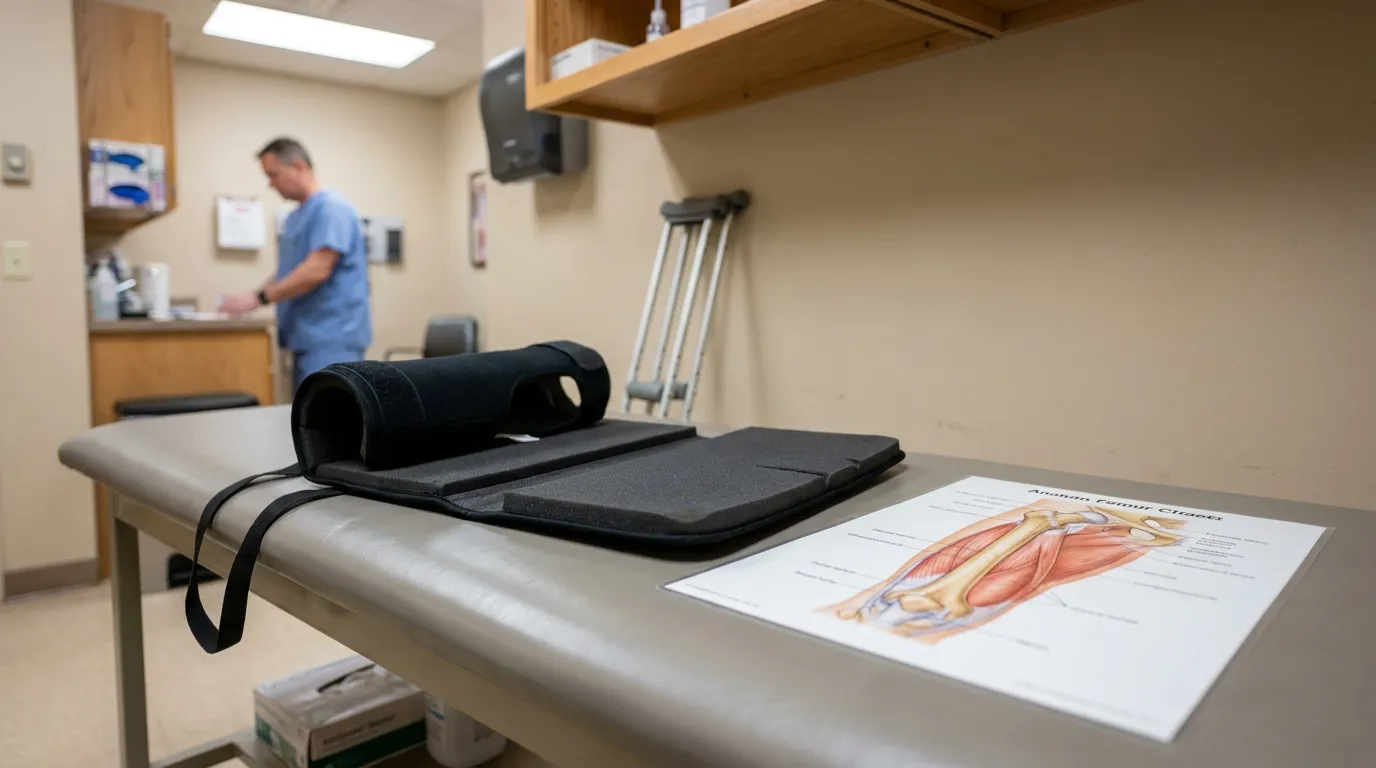
The femur is the largest bone in the body, packed with marrow fat that can escape into the bloodstream when the bone breaks. In motorcycle collisions, the thigh often absorbs direct impact from car bumpers, guardrails, or pavement, making femur fractures one of the most common serious orthopedic injuries for riders.
Clinical literature reports that about 90% of fat embolism cases are trauma-associated, especially fracture or surgery of large bones such as the femur. Surgery to stabilize the bone with rods and screws can itself release marrow contents, which is why long bone fracture complications may surface during or shortly after the operating room. That a complication follows surgery does not by itself indicate negligence; it is a recognized procedural risk.
How Often FES Happens After Femoral Fracture
Reported incidence is low, but consequences are severe. Clinical reviews estimate fat embolism syndrome occurs in 0.5% to 2% of femoral fractures, with mortality ranging from 5% to 15%, particularly in acute respiratory distress syndrome (ARDS) cases where diagnosis is missed.
Low incidence is not the same as low risk to you. Insurers sometimes treat rare complications as unrelated or exaggerated. Whether the complication is compensable turns on proof that it was caused by the crash injury, established through medical records and expert opinion.
FES Symptoms Every Rider and Family Should Watch For in the First 72 Hours
Symptoms usually begin 12 to 36 hours after injury, with breathing problems as the primary manifestation in roughly 75% of cases. Families are often first to notice changes. Early signs include:
- Shortness of breath, rapid breathing, or low blood oxygen (hypoxemia)
- A pinpoint red rash on the chest, neck, or armpits (petechiae)
- Confusion, agitation, or altered mental status
- Seizures
- Fever
- Decreased urine output
Any of these signs after a fracture warrant immediate medical attention. Document what you observed and when, as timing details later become part of the record.
How Doctors Approach Fat Embolism Diagnosis
Fat embolism diagnosis is primarily clinical, meaning doctors rely on symptom patterns rather than a single confirmatory test. The two widely accepted tools are the Gurd and Wilson criteria and the Schonfeld index, both scoring symptoms against known risk factors. Imaging may support the diagnosis, but normal scans do not rule the condition out.
When a Missed or Delayed FES Diagnosis Becomes Its Own Claim
Clinical sources stress that treating teams must maintain high suspicion in at-risk patients even without distinct radiographic findings. Where that suspicion is absent and a patient deteriorates, a medical malpractice question may arise, though a bad outcome alone is not malpractice; a claim requires proof that care fell below the accepted standard and caused harm. Massachusetts sets a 3-year limitations period for malpractice actions under M.G.L. c. 260, § 4, and Franklin v. Albert, 381 Mass. 611 (1980), holds that a claim accrues when the plaintiff learns, or reasonably should have learned, that he has been harmed by the defendant’s conduct. Section 4 also imposes a 7-year statute of repose measured from the negligent act.
Courts apply the discovery rule narrowly and on a fact-specific basis, so no rider should assume it extends a deadline. Whether a case exists depends entirely on the records. That analysis requires counsel.
What FES Adds to a Massachusetts Motorcycle Injury Claim
A fat embolism syndrome after motorcycle femur fracture may expand damages well beyond the orthopedic injury itself. Categories that may be recoverable if proven include intensive care days, ventilator time, ARDS treatment, neurological deficits, extended rehabilitation, lost wages, diminished earning capacity, and permanent impairment.
Ballin Law has been representing accident victims across Massachusetts for over 40 years, and downstream complications are frequently where undervaluation happens. Outcomes always depend on specific facts and proof available, and no result can be promised.
The $2,000 Tort Threshold and Why a Fracture Clears It Anyway
Massachusetts limits pain-and-suffering recovery in motor vehicle tort actions unless a threshold is met. Under the Massachusetts tort threshold law, M.G.L. c. 231, § 6D, a plaintiff generally must show reasonable and necessary medical expenses above $2,000, unless the injury falls into a listed exception, including "loss of a body member, permanent and serious disfigurement, or a fracture."
A femur fracture therefore provides an independent statutory path to pain-and-suffering damages. The threshold affects only pain-and-suffering recovery, not medical expenses or lost wages, and application turns on the facts and proof submitted.
When the Insurer Blames the Rider
Massachusetts follows modified comparative negligence under M.G.L. c. 231, § 85. Contributory negligence does not bar recovery if the injured person’s negligence "was not greater than the total amount of negligence attributable to the person or persons" against whom recovery is sought, though damages are reduced in proportion.
On severe claims, percentage points carry real weight. In multi-defendant crashes, a rider’s conduct is compared against the aggregate negligence of all defendants. If the rider is found more than 50% at fault, recovery is barred entirely. Fault allocation is a question for the fact finder.
Deadlines a Foxborough Rider Cannot Miss
Massachusetts filing deadlines live in Chapter 260, and the applicable period depends on the claim asserted. Under M.G.L. c. 260, § 2A, tort and personal injury actions must be commenced only within three years next after the cause of action accrues. Shorter deadlines apply to some defendants, including presentment requirements for claims against public entities under the Massachusetts Tort Claims Act.
| Situation | General deadline | Governing section |
|---|---|---|
| Motorcycle crash injury claim | 3 years from accrual | c. 260, § 2A |
| Malpractice for missed diagnosis | 3 years from accrual, subject to a 7-year repose | c. 260, § 4 |
| Hit-and-run driver later identified | 6 months from learning identity, with 30-day written notice to police and Registrar, no later than 3 years after accident | c. 260, § 4B |
| Minor or incapacitated claimant | Limited tolling may apply | c. 260, § 7 |
| Fraudulent concealment | Concealment period may be excluded | c. 260, § 12 |
Tolling provisions are exceptions, and courts interpret them narrowly. Sections 7 and 12 of Chapter 260 can matter in specific circumstances, but none apply automatically, and sedation or hospitalization alone does not establish incapacity under § 7. Treat the 3-year period as firm. Calendar it now.
💡 Pro Tip: If the driver fled, send written notice describing the time, place, and facts of the crash to the police and the Registrar of Motor Vehicles within 30 days, because the 6-month rule under § 4B is conditioned on that notice.
What to Do Now if You or a Rider You Love Has a Femur Fracture
Focus on the hospital record first, because that is where a fat embolism claim is often won or lost. Request daily notes, oxygen readings, imaging reports, and nursing observations describing confusion or rash. Keep your own timeline of symptoms and who you told.
You are generally not required to give a recorded statement to another driver’s insurer, and it is wise not to do so while a family member is still in intensive care. Your own policy may impose cooperation duties, so check with counsel first. For Foxborough rider injury help, the sooner counsel reviews the chart, the better the documentation holds up.
This post provides legal information, not medical advice; anyone showing symptoms after a fracture should seek emergency care immediately.
Frequently Asked Questions
-
How soon after a femur fracture does fat embolism syndrome start?
Clinical sources report onset generally within 12 to 72 hours of trauma, with most symptoms beginning 12 to 36 hours after injury. That delay means a rider can appear stable at the scene, then deteriorate the next day. -
Is fat embolism syndrome permanent?
Many patients recover with supportive care, but outcomes vary. Reported mortality ranges from 5% to 15%, particularly in acute respiratory distress cases. Some survivors experience lasting neurological deficits. Prognosis depends on severity and treatment timing. -
Can I sue if doctors missed my fat embolism syndrome after a motorcycle crash?
Possibly, subject to the facts. A missed diagnosis is actionable only if care fell below the applicable standard and caused additional harm. Massachusetts allows malpractice actions within 3 years of accrual under M.G.L. c. 260, § 4, subject to a 7-year statute of repose, and Franklin v. Albert ties accrual to when a plaintiff learns of the harm. A records review is essential. -
How long do I have to file a motorcycle injury claim in Massachusetts?
Generally 3 years from when the cause of action accrues, under M.G.L. c. 260, § 2A. Shorter or conditional rules can apply, including hit-and-run provisions of § 4B and presentment deadlines for claims against government defendants. Limited tolling exists for minors and legal incapacity under § 7. None of these exceptions apply automatically. -
Does the $2,000 tort threshold block my pain-and-suffering claim?
Not where the injury consists of a fracture. M.G.L. c. 231, § 6D lists fracture as an independent exception to the medical expense threshold. The threshold limits only pain-and-suffering damages, and proof still depends on properly documented records.
Talk to a Foxborough Motorcycle Accident Lawyer
A fat embolism syndrome femur fracture claim requires medical proof, statutory precision, and a firm willing to litigate. Ballin & Associates, LLC has handled personal injury cases exclusively since 1981 and built its reputation on referrals from past clients rather than television advertising and billboards. As a motorcycle trauma attorney MA riders can reach in person, we work from a Foxborough office, not a call center.
Reach out to Ballin Law for a free consultation, and remember that our fee is contingent, so you owe no fee unless we recover for you. Prior results do not guarantee a similar outcome in any future case.
Disclaimer: This content is for informational purposes only and is not legal advice, and it does not create an attorney-client relationship. Every case is unique, and results may vary. Consult an attorney about your specific circumstances.