


Understanding the $2,000 Medical Threshold for Boston Truck Crash Lawsuits
If you or a loved one suffered injuries in a semi-truck collision in Boston, you may need to clear a $2,000 medical expense threshold before you can recover pain and suffering damages from the at-fault driver. Massachusetts operates under a no-fault insurance system, meaning your Personal Injury Protection (PIP) coverage pays certain expenses regardless of fault. However, under M.G.L. Chapter 231, § 6D, you generally gain the right to recover pain and suffering damages once your reasonable and necessary medical expenses exceed $2,000. For victims of serious truck wrecks, understanding this truck wreck legal threshold in MA can mean the difference between settling for limited PIP benefits and recovering full compensation.
If you have questions about whether your injuries meet this threshold, Ballin & Associates, LLC can help. Call 508-882-2853 or reach out online to discuss your case.
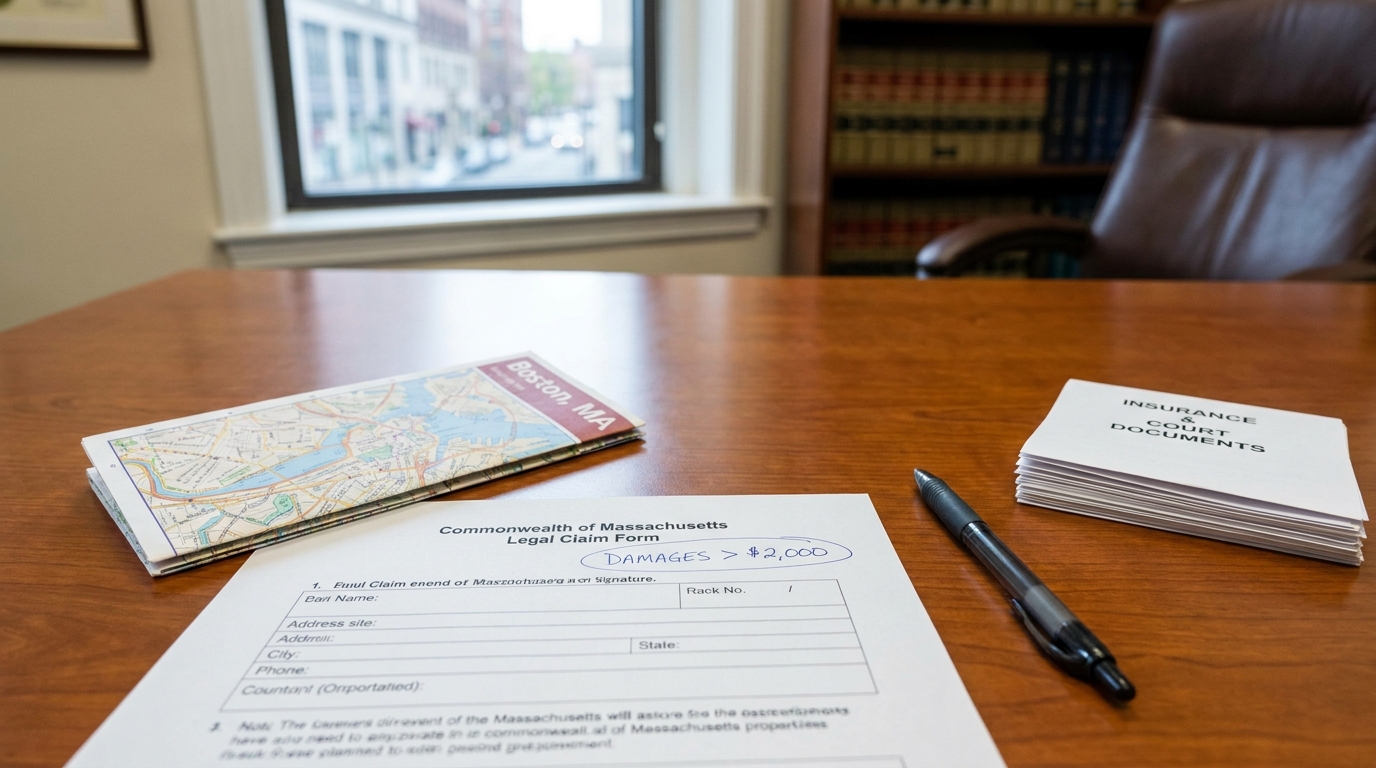
How No-Fault Insurance Works After a Truck Accident in MA
Massachusetts is a no-fault state, which means PIP will pay certain expenses regardless of who caused the accident. This coverage extends to you, permitted drivers, household members, passengers, and pedestrians struck by the insured vehicle. PIP covers medical expenses, up to 75% of lost wages, and replacement services up to $8,000. While this provides quick funds after a crash, it restricts your ability to recover pain and suffering damages unless your injuries meet specific criteria.
The no-fault framework exists because of M.G.L. Chapter 90, § 34M, which establishes that PIP benefits are granted in lieu of tort damages. Policyholders receive PIP as a trade-off for limiting smaller injury claims from court. Section 34M also allows deductibles ranging from $100 to $8,000, affecting out-of-pocket costs but not the tort threshold.
💡 Pro Tip: Even with a high PIP deductible, that amount doesn’t affect the $2,000 threshold for pain and suffering damages. The threshold is based on actual reasonable and necessary medical expenses.
What the $2,000 Tort Threshold Actually Requires
To recover pain and suffering damages after a truck accident in Boston, your reasonable and necessary medical expenses must generally exceed $2,000. This requirement comes from M.G.L. Chapter 231, § 6D, which restricts non-economic damages unless injury-related medical costs surpass this amount. If your expenses fall below $2,000 and your injuries don’t qualify under statutory exceptions, you may be limited to collecting PIP benefits and pursuing only economic damages.
In truck crash cases, however, the $2,000 threshold is often met quickly. Semi-truck collisions produce severe injuries due to size and weight disparities. Emergency room visits, imaging scans, ambulance transport, and follow-up care can push medical bills past $2,000 within days. The statute also provides exceptions for injuries causing death, loss of a body member, permanent and serious disfigurement, or certain losses of sight or hearing, which may independently qualify you for pain and suffering damages regardless of the dollar amount.
- Emergency treatment, surgery, and rehabilitation count toward the threshold
- Diagnostic imaging such as X-rays, CT scans, and MRIs are included
- Physical therapy and specialist visits apply
- Prescription medications related to crash injuries may also count
💡 Pro Tip: Keep detailed records of every medical appointment, bill, and receipt. Thorough documentation strengthens your ability to prove expenses exceed the threshold if the insurer disputes your claim.
Why Truck Crashes in Boston Raise Unique Concerns
Large truck collisions present dangers far beyond typical accidents on the Massachusetts Turnpike or I-93. Nationally, fatal crashes involving large trucks increased from roughly 3,271 in 2010 to over 4,400 in 2020, representing approximately a 36% rise. In Massachusetts, there were 27 fatal crashes involving large trucks in 2020. Any serious semi-truck injury in Boston MA can leave victims facing life-altering consequences.
The Federal Motor Carrier Safety Administration (FMCSA) tracks these incidents through its crash statistics portal, which compiles data from the Motor Carrier Management Information System. This data helps researchers and attorneys identify trends and contributing factors in commercial vehicle crashes.
💡 Pro Tip: If hit by a commercial truck, ask your attorney to run the trucking company through the FMCSA’s SAFER system. A carrier’s crash history and safety rating can reveal patterns of negligence that strengthen your claim.
Evidence That Can Make or Break Your Case
Time-sensitive evidence often determines the outcome of a Boston truck crash lawsuit. Electronic data recorders, dashcam footage, driver logbooks, and maintenance records can reveal whether the trucker or carrier violated federal safety regulations. Hours-of-service violations, deferred maintenance, and inadequate driver training are common factors. Trucking companies may overwrite or destroy this evidence within weeks, making early legal action critical.
Compulsory Insurance Minimums for Massachusetts Drivers
Massachusetts requires all drivers to carry Bodily Injury to Others coverage, with minimums of $25,000 per person and $50,000 per accident. Commercial trucks, however, are generally required to carry significantly higher liability limits under federal regulations.
| Coverage Type | What It Covers | Massachusetts Minimum |
|---|---|---|
| Bodily Injury to Others | Liability for injuries you cause to others | $25,000/person, $50,000/accident |
| Personal Injury Protection (PIP) | Your own medical bills, lost wages, replacement services | Up to $8,000 |
| Tort Threshold (M.G.L. c. 231, § 6D) | Right to recover pain and suffering damages | Medical expenses must exceed $2,000 |
The Statute of Limitations: How Long You Have to File
Under M.G.L. Chapter 260, § 2A, the statute of limitations for personal injury tort actions in Massachusetts is generally three years from the date of injury. This deadline governs when you must file your Boston truck crash lawsuit or risk losing your right to sue. Courts interpret this filing window strictly, and missing it can bar your claim regardless of evidence strength.
Certain limited exceptions may toll or extend this deadline, but they apply only in narrow circumstances. If the injured person was a minor, the statute may be tolled until they reach majority age. A discovery rule may apply in rare situations where injury was not immediately apparent. However, courts interpret these exceptions conservatively, and you should not assume any tolling provision applies without confirming it with an attorney. The similar Worcester truck injury threshold rules and deadlines apply statewide.
💡 Pro Tip: Don’t wait until the deadline approaches. Critical evidence from truck crashes can disappear within weeks, and insurers often use delay tactics hoping the statute of limitations will expire.
How a Truck Accident Lawyer in Boston Massachusetts Can Help
An experienced truck accident lawyer in Boston Massachusetts can investigate the crash, preserve evidence, and build a case meeting legal requirements for filing a tort claim. Truck crash litigation is more complex than standard car accident cases because it may involve federal FMCSA regulations, multiple liable parties (driver, carrier, maintenance company, or cargo loader), and aggressive corporate defense teams. Your attorney can subpoena electronic logging device data, obtain inspection and maintenance history, and retain accident reconstruction professionals.
Insurance carriers for trucking companies frequently attempt to minimize payouts by disputing causation, questioning whether your medical expenses exceed the $2,000 threshold, or pressuring you into a quick settlement. Legal counsel who understands the no-fault insurance truck accident MA framework helps you avoid accepting less than your case is worth. Your lawyer can also ensure all claims are filed within applicable deadlines and that no procedural misstep jeopardizes your recovery.
💡 Pro Tip: Be cautious about giving recorded statements to the trucking company’s insurer before speaking with your attorney. Adjusters may use your words to argue injuries are pre-existing or that medical expenses don’t meet the threshold.
Frequently Asked Questions
1. What counts toward the $2,000 medical threshold after a truck crash in Massachusetts?
What Qualifies as a Reasonable and Necessary Medical Expense?
Reasonable and necessary medical expenses include emergency room treatment, surgeries, diagnostic imaging, physical therapy, specialist visits, and prescription medications directly related to crash injuries. Treatment must be medically justified and connected to the injuries sustained.
2. Can I sue after a truck accident in Boston if my medical bills are under $2,000?
When Statutory Exceptions May Override the Threshold
In some cases, yes. M.G.L. Chapter 231, § 6D permits recovery of pain and suffering damages when injury causes death, loss of a body member, permanent and serious disfigurement, or certain losses of sight or hearing. If your injury falls into one of these categories, you may recover pain and suffering damages even if medical expenses haven’t reached $2,000.
3. Does the three-year statute of limitations start from the date of the truck crash?
Understanding When the Clock Begins
Generally, yes. Under M.G.L. Chapter 260, § 2A, the three-year period typically begins on the injury date. In limited circumstances, such as when injury is not immediately discoverable, a court may apply a discovery rule. However, courts interpret these exceptions narrowly, and you should consult an attorney promptly to confirm your filing deadline.
4. What if the trucking company’s insurer offers a quick settlement?
Why Early Settlement Offers May Undervalue Your Claim
Quick settlement offers from trucking company insurers often fail to account for the full extent of your injuries. You may not yet know the total cost of medical care, lost earning capacity, or long-term rehabilitation needs. Accepting an early offer can waive your right to pursue additional compensation.
5. How does PIP interact with a tort claim after a semi-truck collision?
Understanding the Relationship Between No-Fault Benefits and Lawsuits
PIP provides up to $8,000 in immediate benefits regardless of fault, but doesn’t prevent filing a tort claim if injuries meet the threshold. Once reasonable and necessary medical expenses exceed $2,000 or you suffer a qualifying serious injury under § 6D, you can pursue additional damages including pain and suffering, full lost wages, and other losses PIP doesn’t cover.
Taking the Next Step After a Boston Truck Crash
Meeting the $2,000 medical threshold is just the first step in pursuing a successful truck injury claim in Massachusetts. You also need to gather and preserve critical evidence, identify all liable parties, comply with the three-year statute of limitations under M.G.L. Chapter 260, § 2A, and navigate the complex interplay between no-fault PIP benefits and tort claim rights. Every case depends on specific facts, and the legal landscape surrounding commercial truck crashes involves state and federal regulations requiring careful analysis.
If you were injured in a semi-truck collision in Boston, Ballin & Associates, LLC is ready to review your situation. Call 508-882-2853 or contact us today to learn how we may be able to help you pursue the compensation you deserve.